Content Advisory: This article discusses the 2021 heat dome, including references to loss of life resulting from the event. This content is intended for informational purposes to support families and communities affected by serious mental illness. Reader discretion is advised.
What’s included in this article:
- Why the Heat Hits Harder
- What to Watch Out For
- Building a Heat Safety Plan
Summer’s officially here, and with it comes increasing temperatures, longer stretches of sun, and the kind of heat that sneaks up on us. Each year, we experience hotter days, added humidity, more extreme heat and weather-related events, and less time to adjust and recover between them.
For families and caregivers supporting a loved one with schizophrenia and other serious mental illnesses, that means understanding the specific risks, having a plan in place, and strengthening community connections, is more important than ever.
This year marks the five-year anniversary of the June 2021 heat dome, the deadliest weather event in Canadian history. It pushed temperatures to record breaking highs across the Pacific Northwest, peaking at 49.6 °C in Lytton, BC. By the time it passed, the BC Coroners Service confirmed 619 heat-related deaths.
BC Coroners Service data showed that 134 of the people who died had a diagnosis of schizophrenia, more than any other chronic health condition examined in the analysis. A separate, newly published study using provincial health records identified 137 deaths among people with schizophrenia reinforcing the same conclusion. That people with schizophrenia died at more than three times the rate they normally would in a typical summer, a bigger jump than diabetes, heart disease, or kidney disease. Despite these striking results, people with schizophrenia are not usually at the forefront of public health messaging about extreme heat events.
This tells us something important: heat doesn’t affect everyone equally.
For people with schizophrenia, it can be far more dangerous. The good news is that more people are talking about these realities. Creating a clear plan and having a few honest conversations can go a long way in helping keep people safe long-term.
Why the Heat Hits Harder
People living with serious mental illness often face additional challenges during extreme heat.
Higher rates of housing instability, financial hardship, and social isolation can make it harder to access cool spaces, stay hydrated, or recognize when help is needed. The new study found that receiving provincial income assistance was linked to a similarly elevated risk of heat dome death as antipsychotic medication use – a good reminder that financial vulnerability and access to safe, cool housing matter just as much as medication. Concurrent substance use can also increase the risk of dehydration and heat-related illness.
These factors mean that someone with a serious mental illness such as schizophrenia may be at greater risk during a heat wave than the general population. Some people may underestimate how hot they’ve become, delay seeking help, or not recognize that symptoms such as dizziness, confusion, or fatigue are related to heat exposure.
💡 For some individuals, this may be related to anosognosia, a neurological symptom of schizophrenia that affects a person’s ability to recognize or understand that they are experiencing a health condition or symptoms. Anosognosia is not denial or stubbornness—it’s a symptom of the illness itself. During extreme heat, this reduced awareness may make it more difficult for someone to recognize the effects of overheating or respond to warning signs that others might notice more quickly.
Some medications commonly used to treat schizophrenia can also make it more difficult for the body to cope with high temperatures. Potential side effects may include:
- Reducing sweating, making it harder to cool down
- Dulling thirst cues, leading to dehydration
- Reducing bodily sensations, making it harder to notice early warning signs of overheating and heat stroke.
The new study also looked at prescription records from the 2021 heat dome adding an important note: risk wasn’t the same across all medications. Two important finds were:
- It was highest among people taking two or more antipsychotics at the same time (known as combination therapy).
- There was no added risk found for people on long-acting injectable antipsychotics (possibly because they require more contact with a pharmacist or care provider.
It’s also important to remember that antipsychotic medications are lifesaving treatments and should not be stopped, reduced, or adjusted because of hot weather without first speaking to a doctor or pharmacist. While some medications may increase heat-related risks, untreated psychosis and relapse can carry serious health and safety consequences of their own. If you or a loved one have concerns about how medications may interact with extreme heat, speak with a healthcare professional before making any changes.
It’s a hopeful finding knowing that regular check-ins with the healthcare system may offer some additional protection.
What to Watch Out for
Because the warning signs can be easy to miss—especially if you don’t live with your loved one—knowing what to look for matters.
One challenge for families is that some early signs of heat illness, such as fatigue, withdrawal, irritability, difficulty concentrating, or changes in routine, can resemble symptoms a loved one may experience at other times. During periods of extreme heat, pay particular attention to sudden changes, symptoms that are more severe than usual, or behaviours that develop after spending time in a hot environment.
A missed phone call, an unusually cancelled visit, sleeping much longer than usual, skipping appointments, or seeming less engaged than normal can sometimes be signs that someone is struggling with the heat.
Extreme heat can also make everyday activities more difficult. A person may avoid going out because they feel uncomfortable, miss appointments, have trouble sleeping due to warm nights, or find it harder to focus and stay on task. Over time, these changes can increase social isolation and make it more difficult for others to notice when something is wrong.
Early heat exhaustion can look like:
- Feeling unusually tired or weak
- A headache that won’t go away
- Nausea or queasiness
- Muscle cramps
- Racing heart
A heat emergency (heat stroke) can develop quickly and requires immediate medical attention. Watch for:
- Hot skin that may be dry or stop sweating
- Confusion, agitation, unusual behaviour, or delirium
- Trouble walking, stumbling, or loss of coordination
- Severe dizziness or vertigo
- Seizures
- Loss of consciousness
- Nausea and vomiting
- A body temperature above 40°C
If you’re unsure whether what you’re seeing is a mental health symptom or a heat-related illness, it’s safest to assume that heat could be a factor during extreme weather and act right away.
If you see signs of a heat emergency, call 911 immediately. While waiting for help, move the person to a cool location, apply cool water to their skin using wet towels or cloths, and keep air moving with a fan if one is available.
If it‘s safe and feasible to do so, consider seeking urgent medical attention without waiting for symptoms to worsen. Heat stroke is a medical emergency, and rapid cooling can save lives.
During heat waves, it can also help to check in more often than usual. A quick phone call, text message, or visit can make it easier to notice changes that might otherwise go unnoticed.
Building a Plan

A little planning before temperatures become unbearable can make a real difference.
If you’re supporting a loved one living with a serious mental illness like schizophrenia, consider talking about building a heat plan together before the next heat wave arrives. Here are some things to consider:
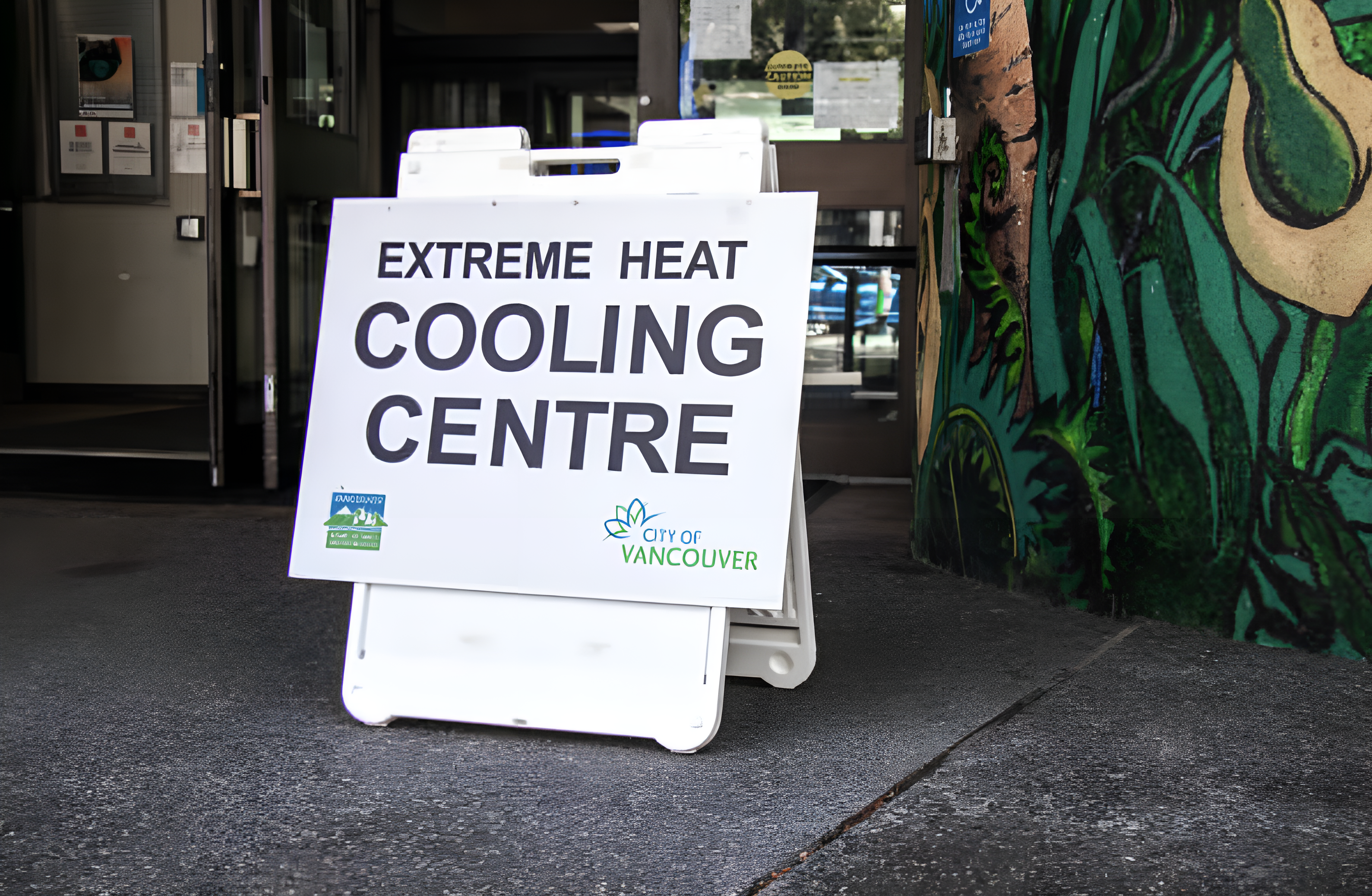
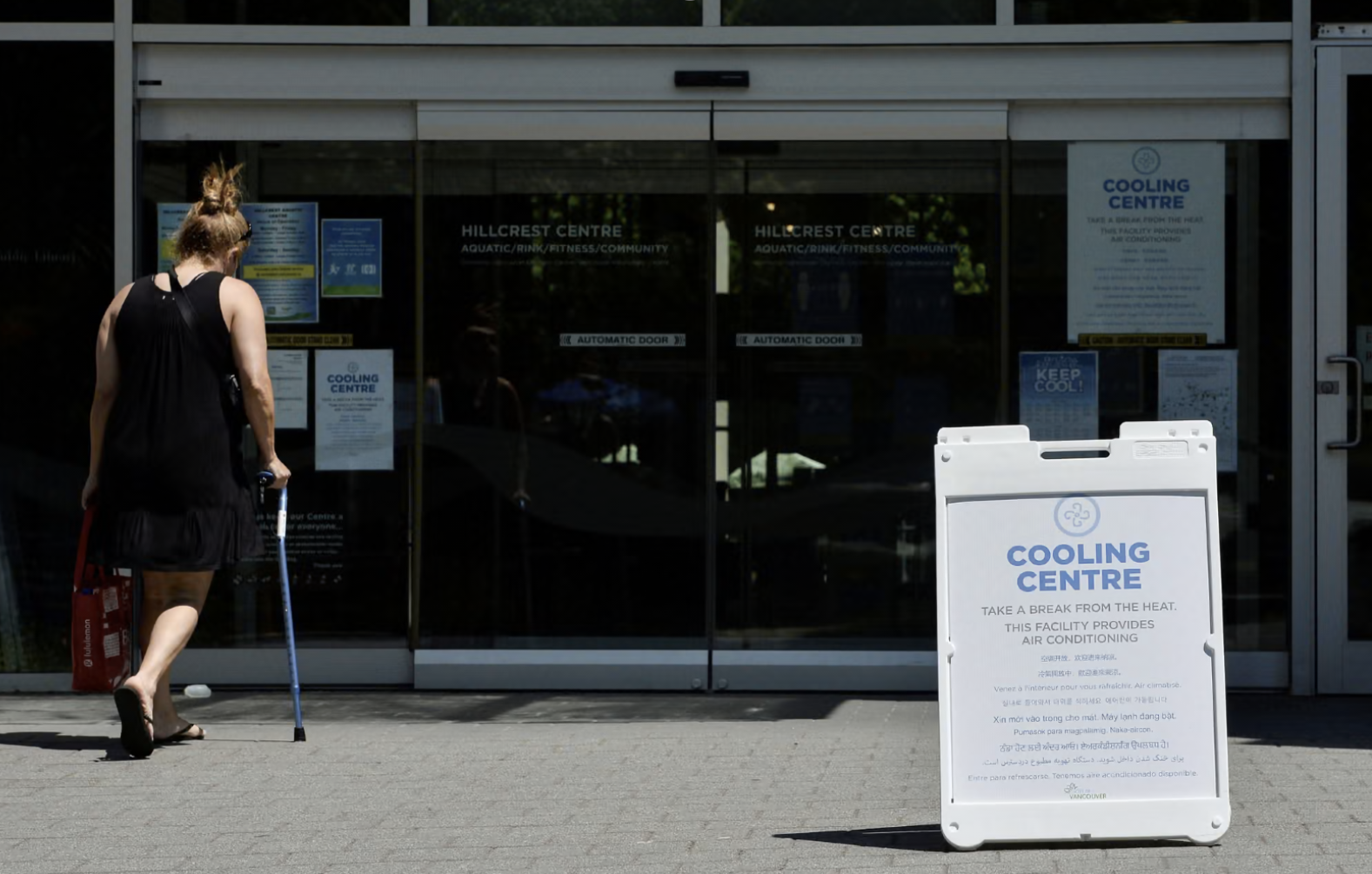
Help identify cool places. Talk with your loved one about where they can cool off during extreme heat. This might be a basement, a shaded room, a fan-cooled area of their home, or a nearby air-conditioned space such as a library, recreation centre, community centre, shopping mall, or cooling station.
- For loved ones who are unhoused or living in unstable housing, help identify local shelters, local cooling centres, and public spaces where they can safely escape the heat. Knowing these options ahead of time can make it easier to access when temperatures rise.
Make hydration part of the routine. Help your loved one build regular hydration habits, such as drinking water with meals, medications, or at specific times of day.
- When visiting, consider bringing water, hydrating beverages, or water-rich snacks such as watermelon, cucumbers, oranges, or smoothies, especially during heat waves.
Help keep living spaces cool. If your loved one has their own home or apartment, talk about simple ways to reduce indoor temperatures. For example, closing blinds and windows during the hottest parts of the day can help keep heat out, while opening windows in the evening may allow cooler air to circulate.
Coordinate with their support network. If your loved one receives support from a case manager, outreach worker, housing provider, peer support worker, or other service providers, ask what plans are in place during extreme heat events. Knowing who is checking in, and when, can help ensure nobody falls through the cracks.
Talk to a doctor or pharmacist before a heat wave hits. Encourage your loved one to speak with their doctor or pharmacist about any medications they take. They can explain whether a medication may increase heat-related risks and what warning signs to watch for.
- Especially ask if they are taking more than one antipsychotic at a time since combination therapy has been linked to a higher risk during extreme heat than a single medication.
Create a check-in plan. Social isolation is one of the biggest risk factors during extreme heat because there may be no one nearby to notice when something is wrong. Establish a plan for regular check-ins with family, friends, neighbours, or support workers during hot weather. Even a brief phone call, text message, or visit can help identify concerns early and connect someone with help if needed.
- If a loved one is unhoused or difficult to reach, consider checking in more frequently during extreme heat and bringing water, snacks, sunscreen, or offering to meet at or nearby cooling centres whenever possible.
- If you’re the primary caregiver, make sure you also have support and someone who can check in on you during extended heat events.
The most effective protection against extreme heat is often surprisingly simple: connection. A phone call, text message, visit, or conversation about heat preparedness can make the difference between someone struggling alone and someone getting help before a situation becomes dangerous.
This understanding is helping shape new research across British Columbia. The BC Schizophrenia Society (BCSS) is partnering with researchers at the University of British Columbia (UBC) to better understand how housing conditions, indoor environments, and extreme heat affect the health and wellbeing of people living with schizophrenia.
💡 If you or your loved one would like to contribute to this important work, you can learn more about participating in the study here.
It’s one of several ways BCSS is working alongside researchers, health authorities, and community partners to better understand and respond to the growing risks posed by extreme heat. As our summers continue to get hotter, the right information, planning, and support can help families stay one step ahead of the heat and keep their loved ones safe.
Wishing you a safe, comfortable, and cool summer!