Originating from the cannabis plant, cannabis is a substance that is used both recreationally and medically. It can be smoked, vaped, eaten, or consumed as oils and extracts. The substance has evolved dramatically over several decades; today, it’s significantly more potent, widely available, and socially normalized throughout British Columbia and the rest of Canada.
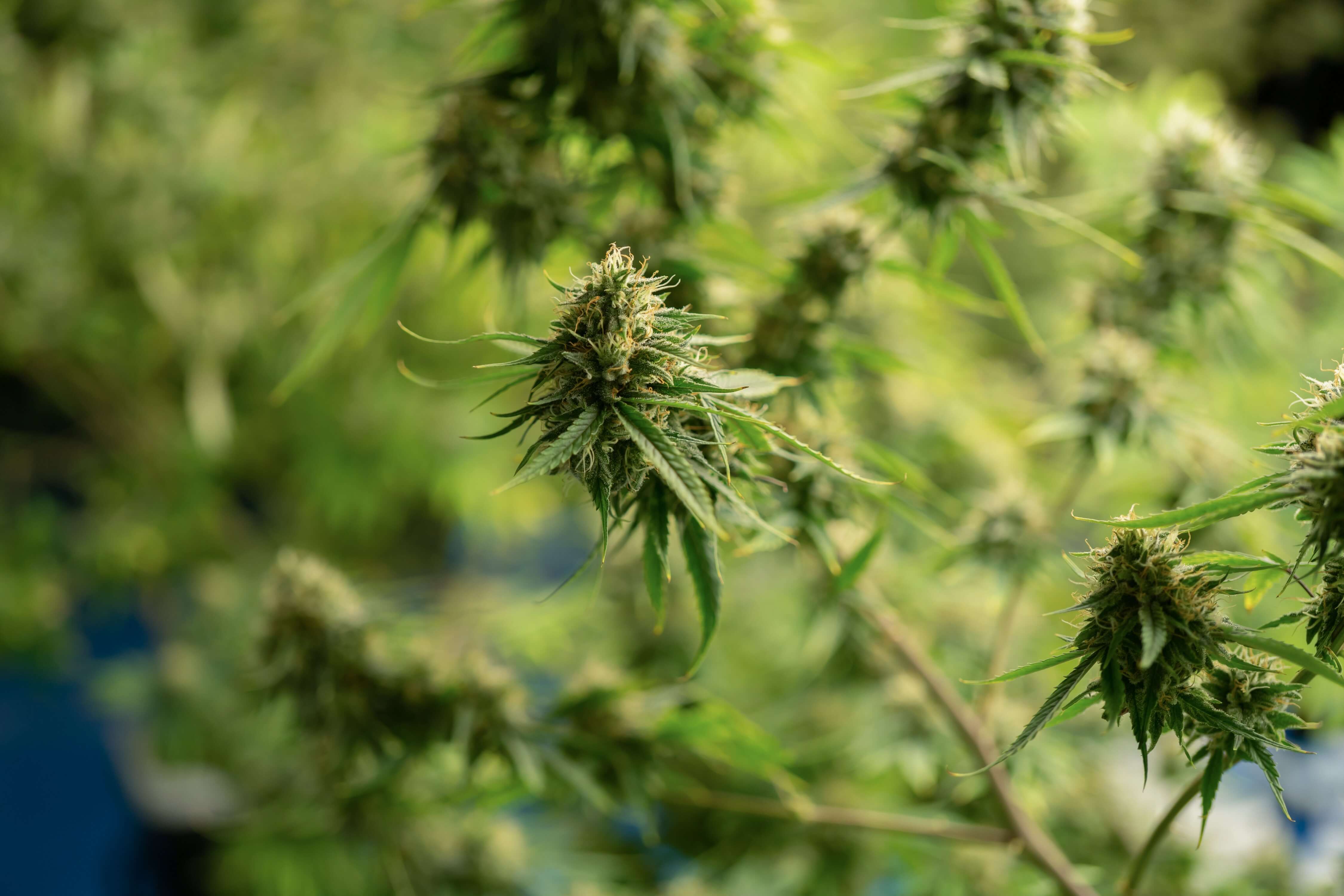
Today, cannabis products have a much higher levels of tetrahydrocannabinol (THC), the compound responsible for the psychoactive effects or “high” associated with cannabis use. Advances in cultivation and processing have also expanded the range of products beyond what existed even a generation ago. At the same time, legalization and ongoing research have improved our understanding of cannabis, providing a clearer picture of its potential benefits and risks.
As the evidence has grown, so has our understanding of who is most affected and why. Research increasingly points to family history as a risk factor for cannabis-related psychosis. Whether it’s a documented diagnosis, or stories passed down about a relative who struggled, family health history matters. For those carrying this kind of risk, today’s stronger products can trigger underlying vulnerabilities more easily than earlier forms of cannabis.
Particularly for families with a history of mental illness, whether or not anyone was formally diagnosed. Sometimes it’s a documented diagnosis, sometimes it’s just stories passed down about a relative who struggled. Either way, family health history matters. For those carrying this kind of risk, today’s stronger products can trigger underlying vulnerabilities more easily than earlier forms of cannabis.
Research into cannabis and psychosis is ongoing, and our understanding will continue to evolve. Here’s what we know so far, and what this article covers:
- What is psychosis
- The cannabis-psychosis connection
- Who is most at risk
- Cannabis-induced psychosis versus schizophrenia
- When should someone seek help?
- What to do if you’re concerned
- Resources and further reading
What is Psychosis
Psychosis is one of the more misunderstood symptoms of mental illness.
It can appear in several mental illnesses, like schizophrenia, bipolar disorder, or severe depression. Psychosis happens when someone temporarily loses touch with reality and struggles to tell what’s real and what’s not.
Common signs of psychosis include:
- Delusions: False beliefs, such as thinking others are trying to harm them or that messages are being sent through the TV or phone.
- Hallucinations: Like hearing voices or seeing things that others do not.
- Disorganized thinking / behaviour: Talking in ways that don’t make sense or acting in ways that seem unusual or confusing.
A person going through psychosis may feel scared or overwhelmed. This can sometimes lead to risky or unpredictable behaviour. The first time someone experiences psychosis, often called a psychotic episode, it can be especially upsetting and confusing.
With proper treatment, the risk of harm, including suicide, can be lowered. Getting help early can make a big difference in someone’s recovery and quality of life.
💡 If someone you care about is showing signs of psychosis, contact a health care professional.
The Cannabis-Psychosis Connection
While cannabis does not cause schizophrenia in most people, evidence suggests that it can contribute to the onset of psychosis and schizophrenia-spectrum disorders in individuals with underlying genetic and environmental vulnerabilities.
Cannabis, particularly high-THC cannabis, can trigger an earlier onset of schizophrenia for those already predisposed to this mental illness. More research is still needed to understand exactly how and why, but the pattern itself is well established.

Part of what makes this relationship between cannabis use and psychosis difficult to untangle is how often substance use and psychosis occur together. Nearly half of people diagnosed with a psychotic disorder also meet the criteria for a substance use disorder. Researchers believe the relationship runs in both directions:
- substance use can trigger or worsen psychotic symptoms
- some people experiencing psychosis may turn to substances to cope with difficult symptoms, stress, or medication side effects.
When cannabis use continues after a psychotic disorder has already developed, it’s linked to poorer treatment adherence, higher relapse rates, and worse overall outcomes including a higher risk of hospitalization, incarceration, and overdose than those experiencing either condition alone.
A “bad trip,” the anxious, overwhelming feeling that can come from using too much cannabis at once, is not the same thing as substance-induced psychosis. Substance-induced psychosis is a distinct medical condition in which psychotic symptoms can last for days or even weeks after using cannabis or other substances. It is often associated with the heavy use of high-potency cannabis products.
💡If you’ve had a bad experience with cannabis that felt more intense than what your friends describe, you’re not alone, and while there’s no reliable evidence linking a single bad trip to psychosis, a repeated pattern of negative reactions may simply mean cannabis isn’t a good fit for you.
Much of this remains harder to study than it should be, because substance use disorders, and psychotic disorders have often been studied separately. Historically, many substance use studies excluded people with psychosis, while many schizophrenia studies excluded people with substance use disorders. As a result, there are still important gaps in our understanding of how best to support people living with both conditions.
Ongoing research, including a BCSS Foundation-funded study led by Dr. Reza Rafizadeh at UBC, is working to better understand how substance use affects treatment outcomes in psychosis and how care can be improved for people experiencing both challenges.
Who is most at risk?
Not everyone who uses cannabis will experience psychosis, but the following may increase the risk of it happening, including:
- Starting cannabis use at a young age, particularly before age 16
- Using cannabis frequently (three or more times per week)
- Using high-potency products containing high levels of THC
- Having a family history of schizophrenia or other psychotic disorders
- A personal history of childhood trauma, abuse, or significant adversity
The impact of some of these factors can be lessened. Delaying cannabis use until adulthood, reducing frequency of use, and choosing lower-potency products may help reduce risk.
Other factors, such as genetic predisposition or past experiences of trauma, cannot be changed. For people who carry these risk factors, understanding the potential psychological effects of cannabis may be especially important when making decisions about use.

Some people notice that cannabis consistently makes them feel anxious, paranoid, suspicious, or disconnected from reality, even when those around them seem unaffected. While these experiences do not necessarily mean someone will develop psychosis, they may be a sign that cannabis affects them differently and that cutting back or avoiding use could be beneficial.
Cannabis-induced psychosis versus schizophrenia
Cannabis-induced psychosis (CIP) occurs when someone experiences psychotic symptoms such as hallucinations, delusions, or confused thinking during or shortly after cannabis use. It’s most often associated with heavy use or high-potency cannabis products.
In many cases, the symptoms improve after cannabis use stops and the drug leaves the body. Because of this, CIP is often considered a temporary condition. However, it’s not always possible to tell right away whether a psychotic episode is solely related to cannabis use or whether it reflects the early stages of a longer-term psychotic illness.
Schizophrenia is different. It is a long-term mental illness that is not caused by intoxication and does not simply disappear when a substance wears off.
The challenge is that the two can look very similar at first. Someone experiencing CIP may show many of the same symptoms seen in schizophrenia, making it difficult to tell them apart during an initial episode. In some cases, people initially diagnosed with cannabis-induced psychosis later receive a diagnosis of schizophrenia, which is why clinicians take a first psychotic episode associated with cannabis use seriously and often recommend ongoing assessment and monitoring.
When should someone seek help?
Whether psychosis is related to cannabis use or another cause, early signs can look similar. Warning signs may include:
- Hearing, seeing, or sensing things that others do not
- Developing unusual beliefs or becoming increasingly suspicious of others
- Difficulty concentrating, thinking clearly, or following conversations
- Confusing or disorganized speech
- Withdrawing from friends, family, or usual activities
- A noticeable decline in school, work, or daily functioning
- Changes in sleep patterns
- Neglecting personal hygiene or self-care

Anyone experiencing these symptoms, especially if they persist after cannabis use has stopped, should seek medical attention. Early assessments can help determine what is causing the symptoms and connect people with appropriate support and treatment.
What to do if you’re concerned
If you’re worried that a family member may be experiencing symptoms of psychosis, don’t ignore them or assume they will simply go away on their own. Early assessment and support can make a real and meaningful difference.
Try to approach the situation calmly, with curiosity and compassion. Symptoms such as unusual beliefs, paranoia, confusion, hearing voices, or significant changes in behaviour can be frightening for both the individual and their loved ones.
Some helpful steps to consider:
- Encourage your family member to speak with a doctor, nurse practitioner, or mental health professional.
- Avoid arguing about whether unusual experiences are “real.” Instead, focus on listening and expressing concern about how they are feeling.
- Take note of changes in behaviour, functioning, sleep, mood, or substance use, as this information can be helpful during an assessment.
- Encourage them to reduce or stop cannabis use until they have been evaluated by a healthcare professional.
- Reach out for support yourself. Family members do not have to navigate these situations alone.
- Seek urgent medical attention if there are concerns about safety, suicidal thoughts, self-harm, or an inability to care for basic needs.
It’s important to remember that psychosis can have many possible causes. A psychotic episode associated with cannabis use does not necessarily mean someone has schizophrenia. However, because the two can sometimes look similar in the early stages, professional assessment and follow-up are important.
Resources and further readings
- British Columbia Schizophrenia Society (BCSS)
Information, education, support groups, and resources for individuals and families affected by psychosis and schizophrenia.
- National Institute of Mental Health (NIMH): Understanding Psychosis
A plain-language guide to the signs, symptoms, treatment, and recovery process associated with psychosis.
- Centre for Addiction and Mental Health (CAMH)
CAMH offers accessible information on cannabis, psychosis, schizophrenia, substance use, treatment, and family support. Their resources are evidence-based and written for the general public.
- Yale School of Medicine: Behind the Smoke: Unmasking the Link Between Cannabis and Schizophrenia
An overview of current research on cannabis use, psychosis, and schizophrenia risk.
- Mental Health Commission of Canada (MHCC)
The MHCC works to improve mental health outcomes across Canada and offers resources on mental health, recovery, stigma reduction, substance use, and support for families and caregivers.
- Canadian Institute for Substance Use Research (CISUR)
Evidence based information on substance use, mental health, cannabis, and harm reduction, including research summaries and educational content for the public and professionals.
- Early Psychosis Intervention (EPI)
Specialized healthcare framework that delivers timely, stage-appropriate services to individuals affected by first episode psychosis