Look Again – Season 6, Episode 3
Released: April 22nd, 2026 | Approx. 26 minutes
If you’ve ever watched a loved one refuse help – insisting nothing’s wrong, pulling away from treatment, pulling back from the people who care the most – you know how deeply isolating that can feel.
You may have been told they’re “in denial.”
But what if that explanation is wrong?
In our third episode of season six of Look Again: Mental Illness Re-Examined, we explore a different answer entirely: Anosognosia.
It’s a neurological condition – not a choice, not a personality trait – that affects a person’s ability to recognize their illness, usually associated with schizophrenia and other serious mental illnesses.
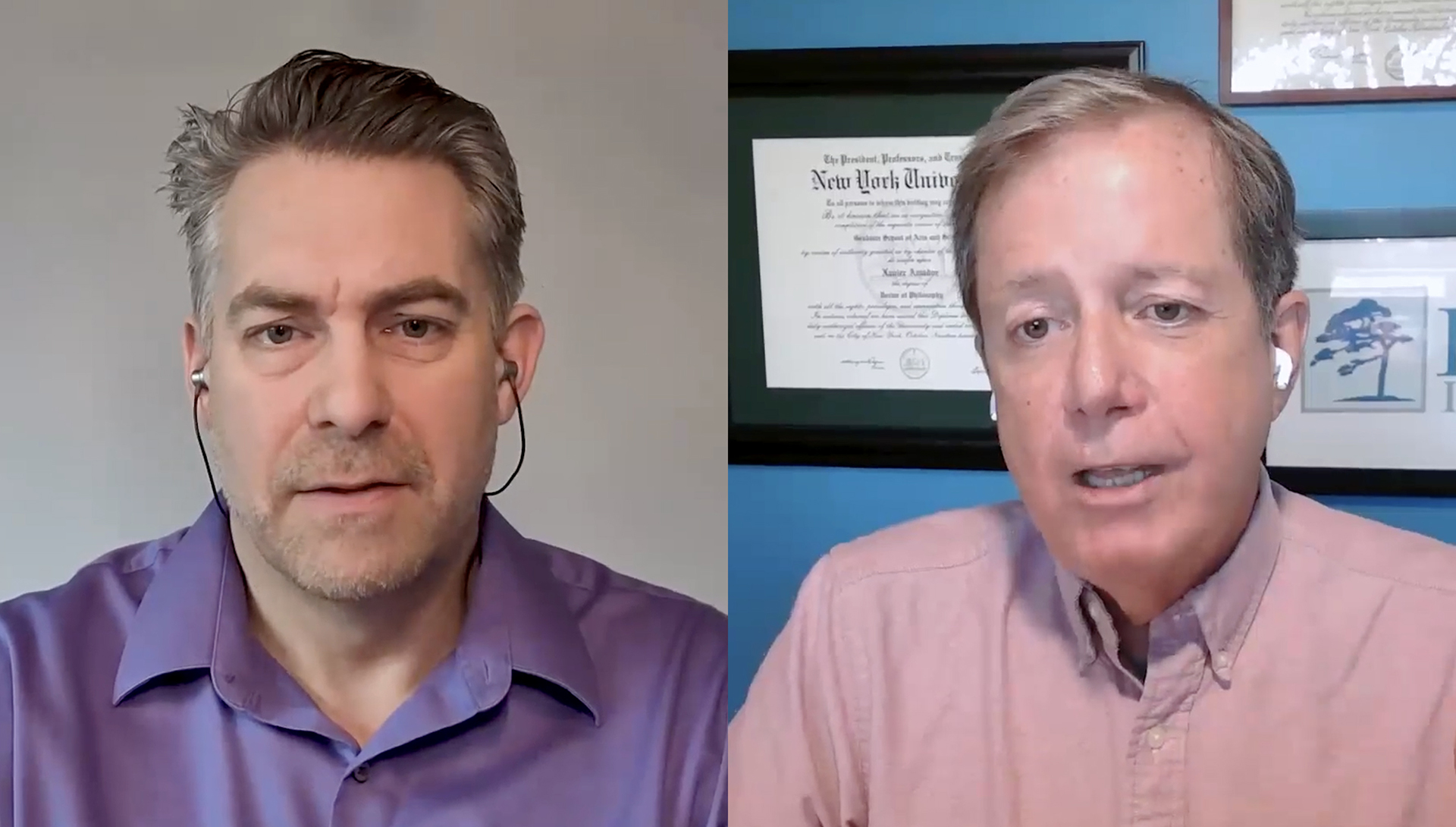
As BCSS’s CEO Fayda Aldridge explains, it’s one of the most common and least understood symptoms of serious mental illness.
In this episode’s lead interview, BCSS’s Myles Constable discusses anosognosia with Dr. Xavier Amador – who speaks from both professional expertise and family experience.
His brother Henry lived with schizophrenia, and for years their relationship was defined by conflict. That was until Dr. Amador stopped trying to convince Henry of his diagnosis and started listening.
“I wish I understood early on that this was another symptom – just like the hallucinations – leading him to say there was nothing wrong with me.” – Dr. Xavier Amador, clinical psychologist and author of I’m Not Sick, I Don’t Need Help
That shift is the foundation of Dr. Amador’s LEAP method: Listen, Empathize, Agree, and Partner. LEAP doesn’t require a person to accept a diagnosis—only that a relationship is preserved.
For many families, that distinction changes everything. BCSS uses LEAP in its own family education work, and in this episode one of BCSS’s educators, Julia, puts a question directly to Dr. Amador about the hardest part: building a genuine partnership when a loved one never accepts their diagnosis.
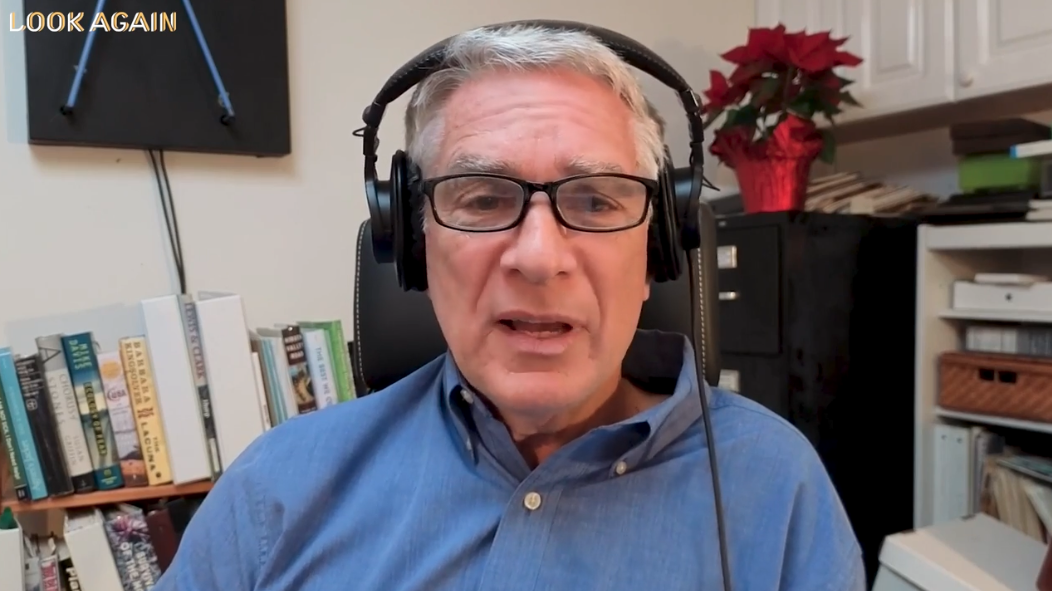
This episode also features documentary filmmaker and journalist Frank Cosa, co-creator of the podcast Brain Stories.
Frank brings a storyteller’s view to the topic, arguing that mainstream media continues to fail people living with serious mental illness by ignoring their voices. His conversation explores stigma, fear, and why simply talking about mental illness matters.
Episode 3 invites listeners, families, clinicians, policymakers, and community members alike, to Look Again at how we hold a relationship together, approach and validate someone’s experience, and understand how to distinguish anosognosia from denial.
🎧 Listen to BCSS S06E3: Anosognosia: When The Brain Masks The Illness
Part of Look Again Season 6 – available wherever you get your podcasts.